
JP Schilder Electric Dredger

-
-
-
-
-
-
-
-
-
-
-
-
 +0
+0
Boat
Builder
Year of construction
Type of project
Electric motor:
Battery pack
Capacity
Communication
Charger / inverter:
Electric dredger for JP Schilder
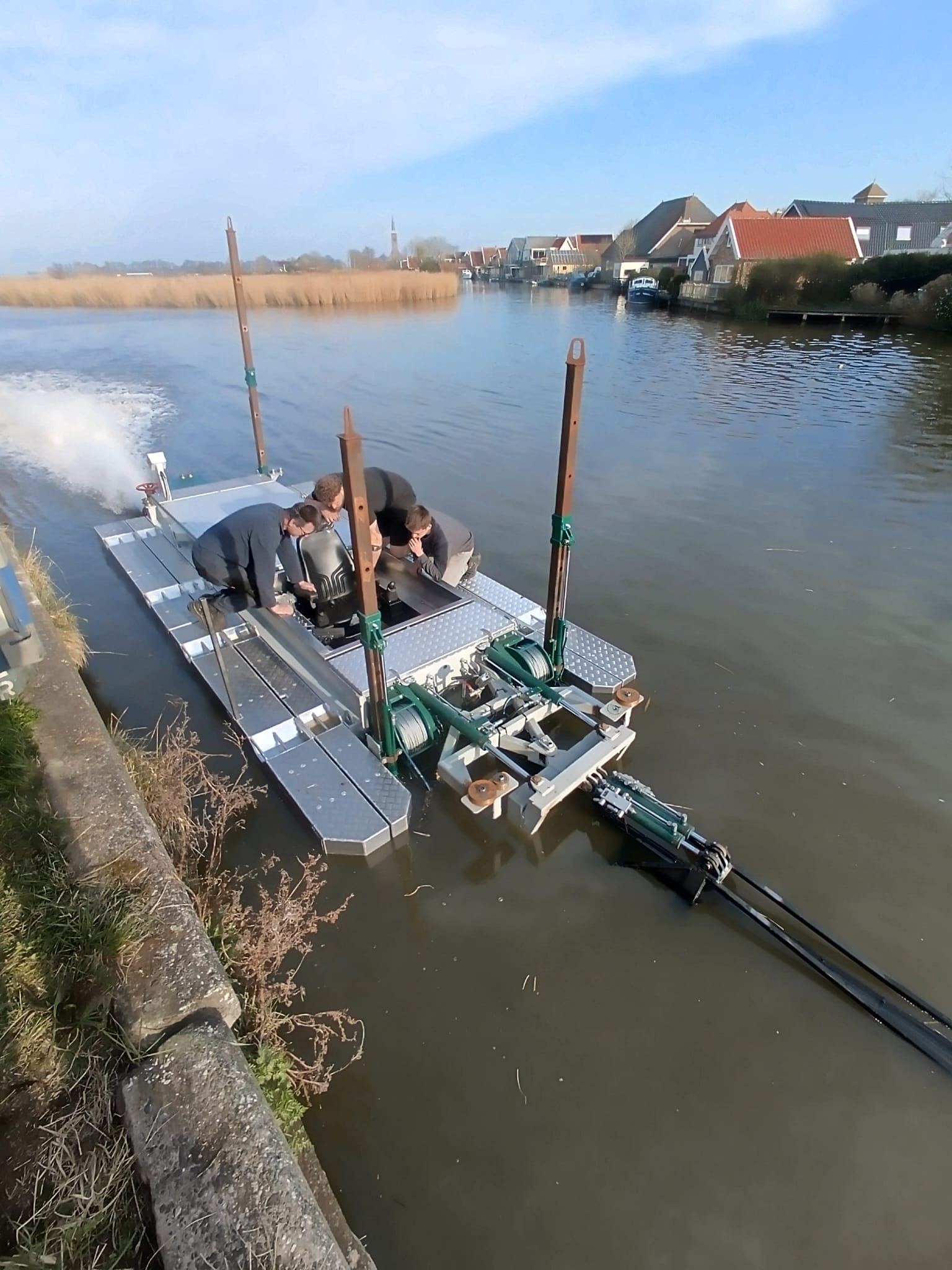
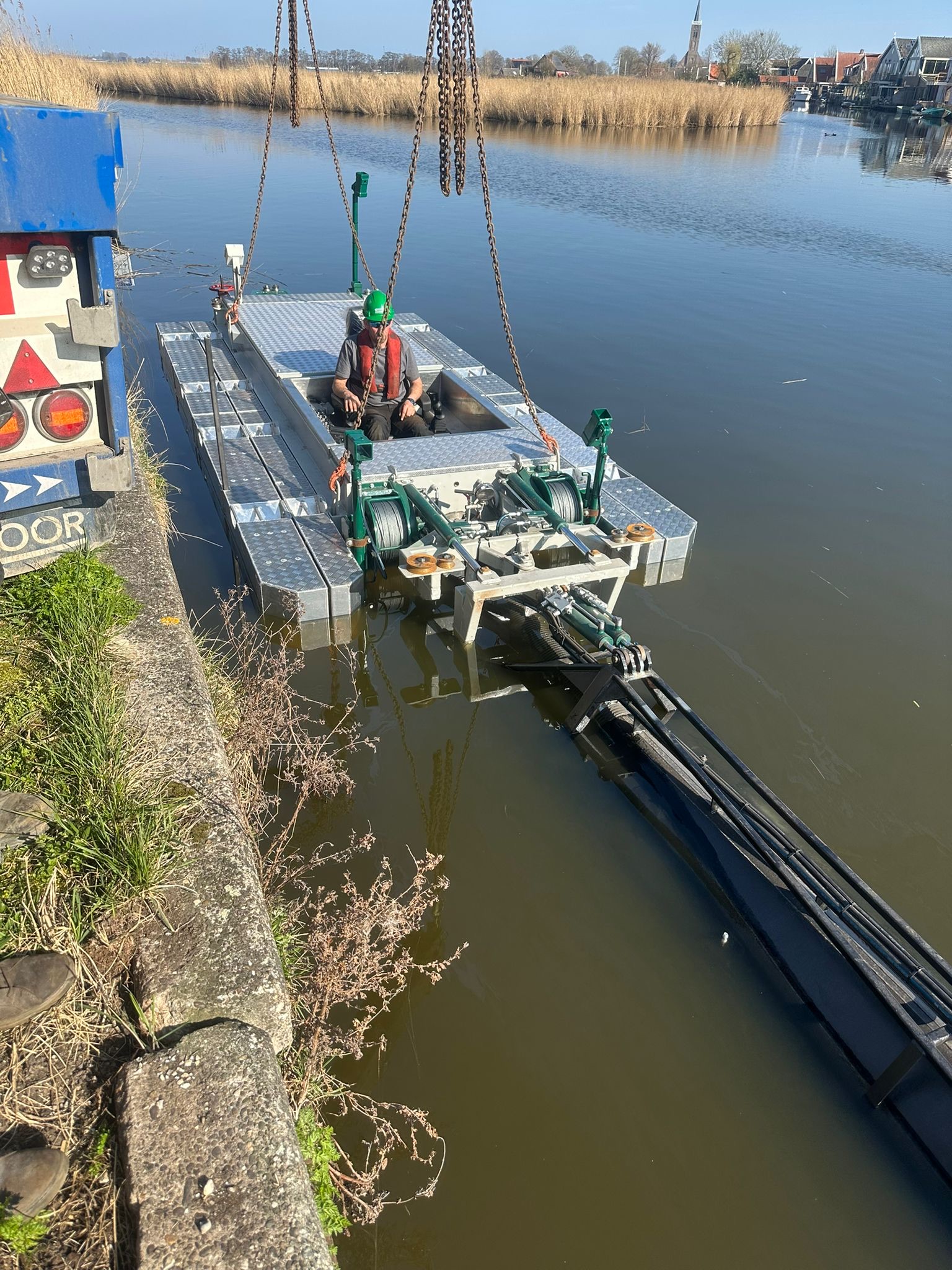
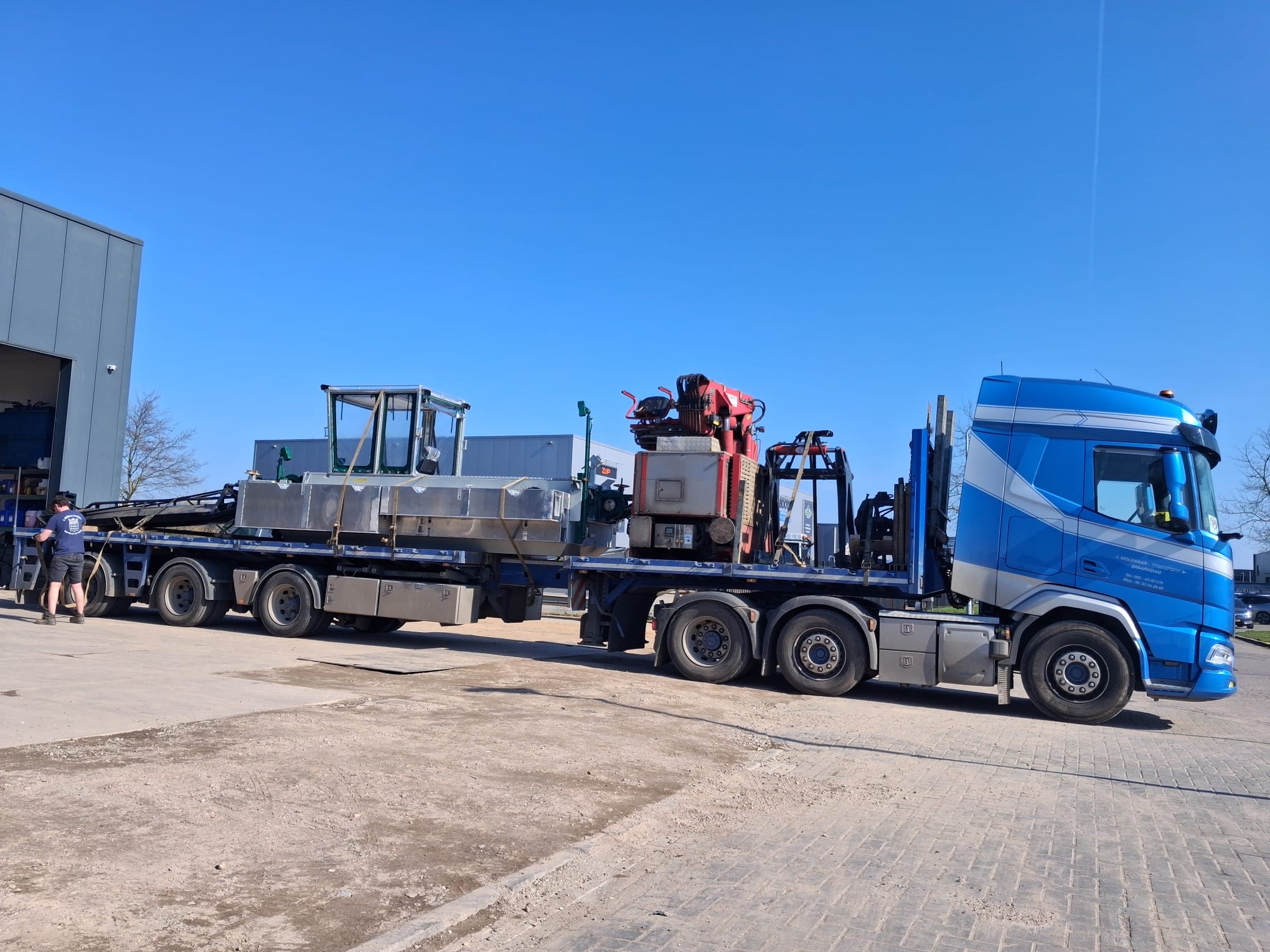
JP Schilder has developed a fully electric power system for a newly built dredger. This vessel is used for dredging work throughout the Netherlands and is designed for long-term use under constant load. Within this project, the focus was on reliability, scalability and a practical charging strategy that fits in with day-to-day operations.
The hull of the vessel was built by Kuijk Techniek. The design phase took immediate account of the electric propulsion system and the necessary energy infrastructure. This makes it possible to integrate components such as battery packs, cabling and cooling systems efficiently into the hull, without the need for subsequent modifications.
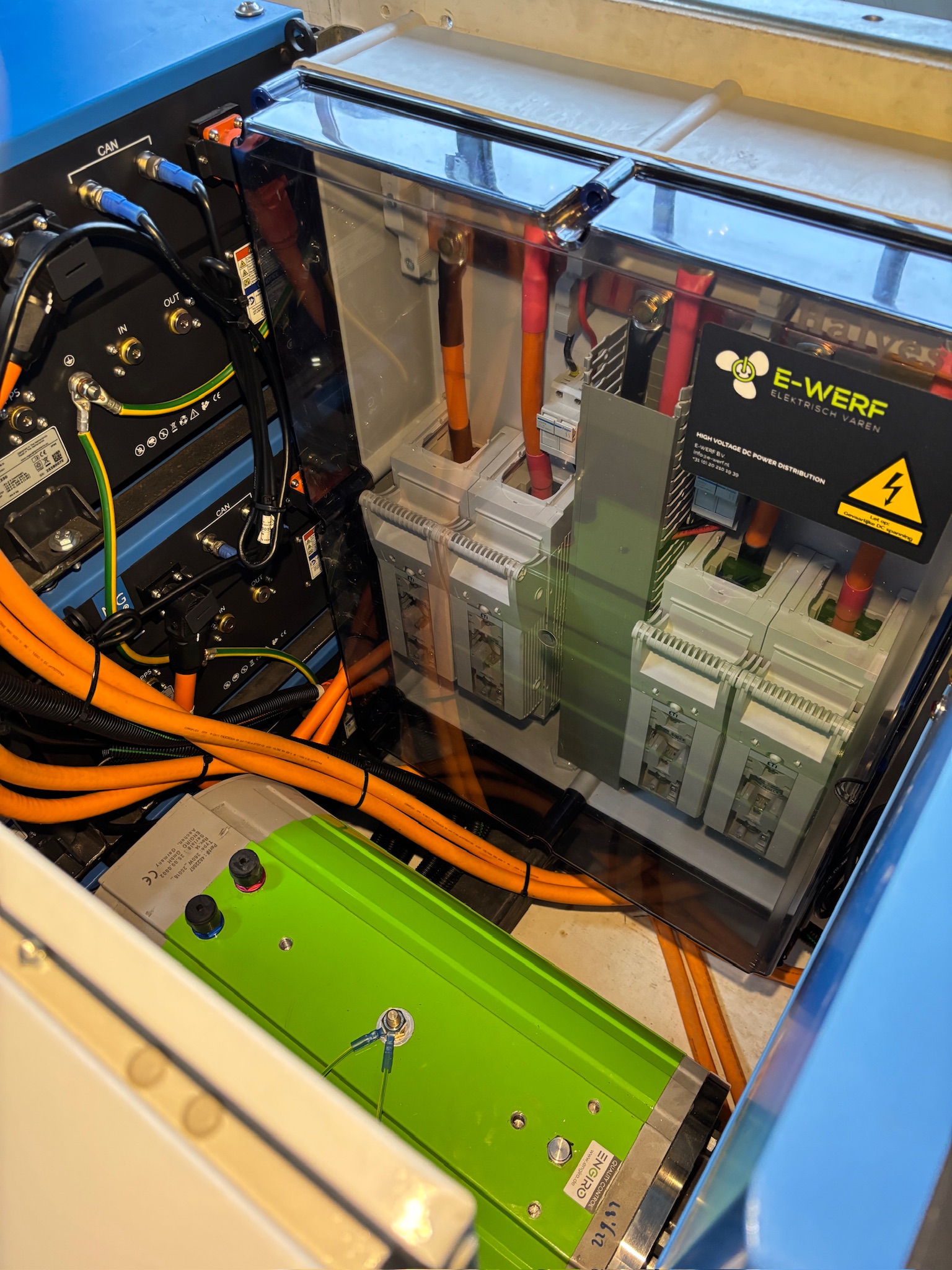
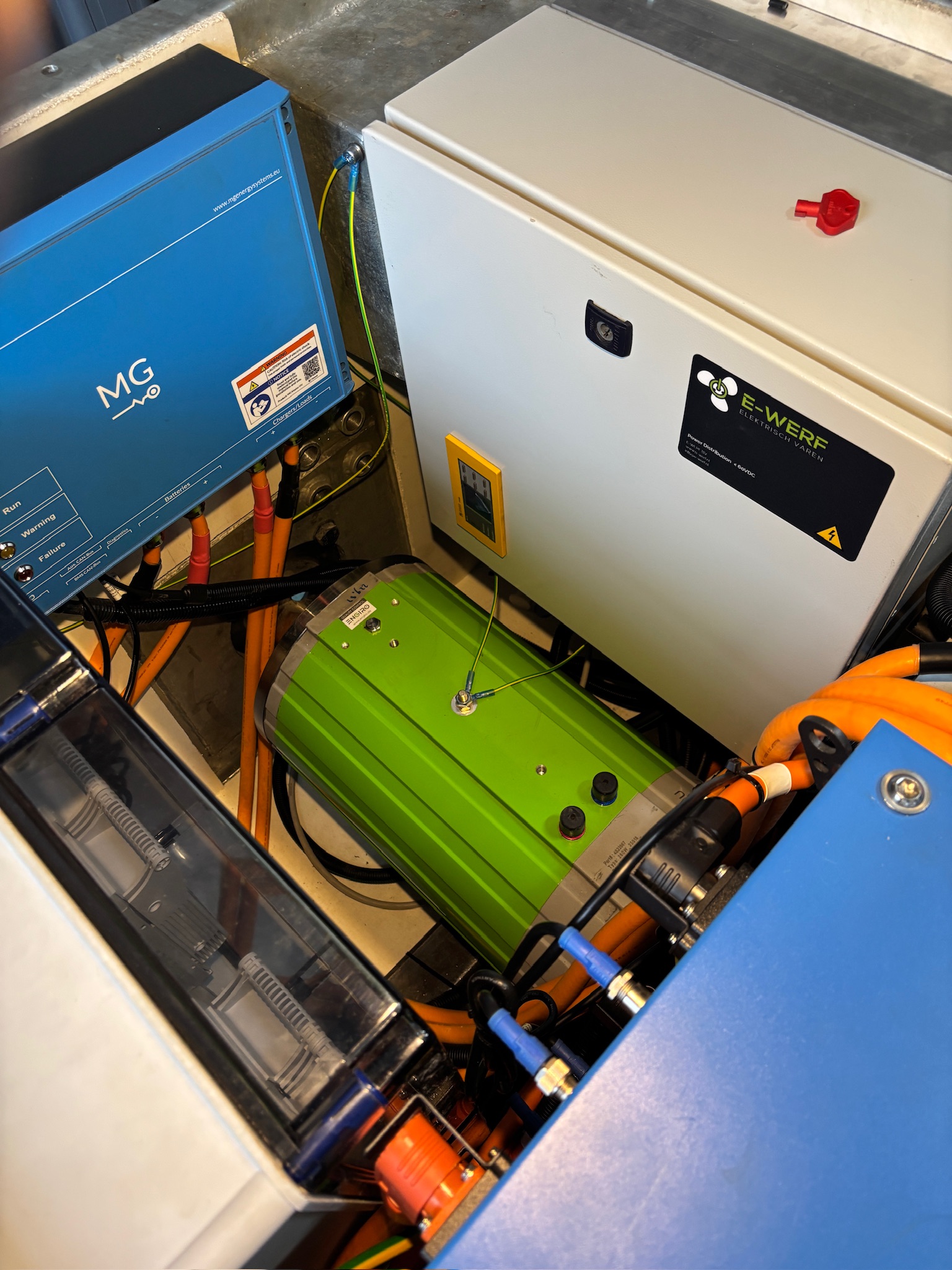
Propulsion is provided by an Engiro 260W electric motor with a continuous power output of 187 kW. This motor was selected based on the load profile of a dredger, where sustained power is required and peak loads are less significant. The characteristics of the electric motor provide immediately available torque, which is important when working with dredging equipment and manoeuvring at low speeds.
Energy consumption during operation is around 30 kW per hour. This is based on average usage during dredging operations, during which the vessel is continuously active. This consumption profile forms the basis for the design of the battery pack and the charging strategy. Rather than focusing solely on maximum capacity, a system has been chosen that can be efficiently recharged during operation.
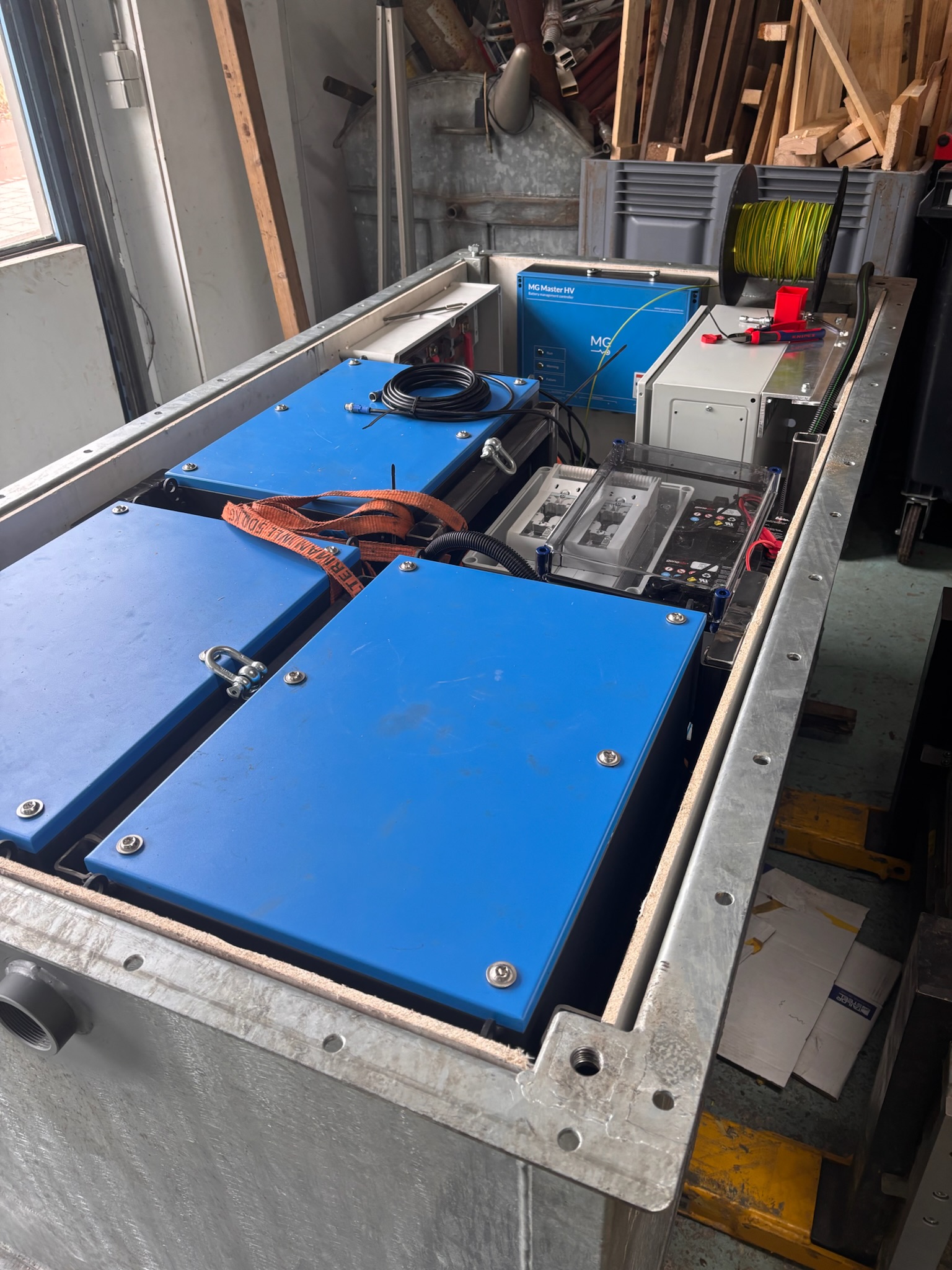
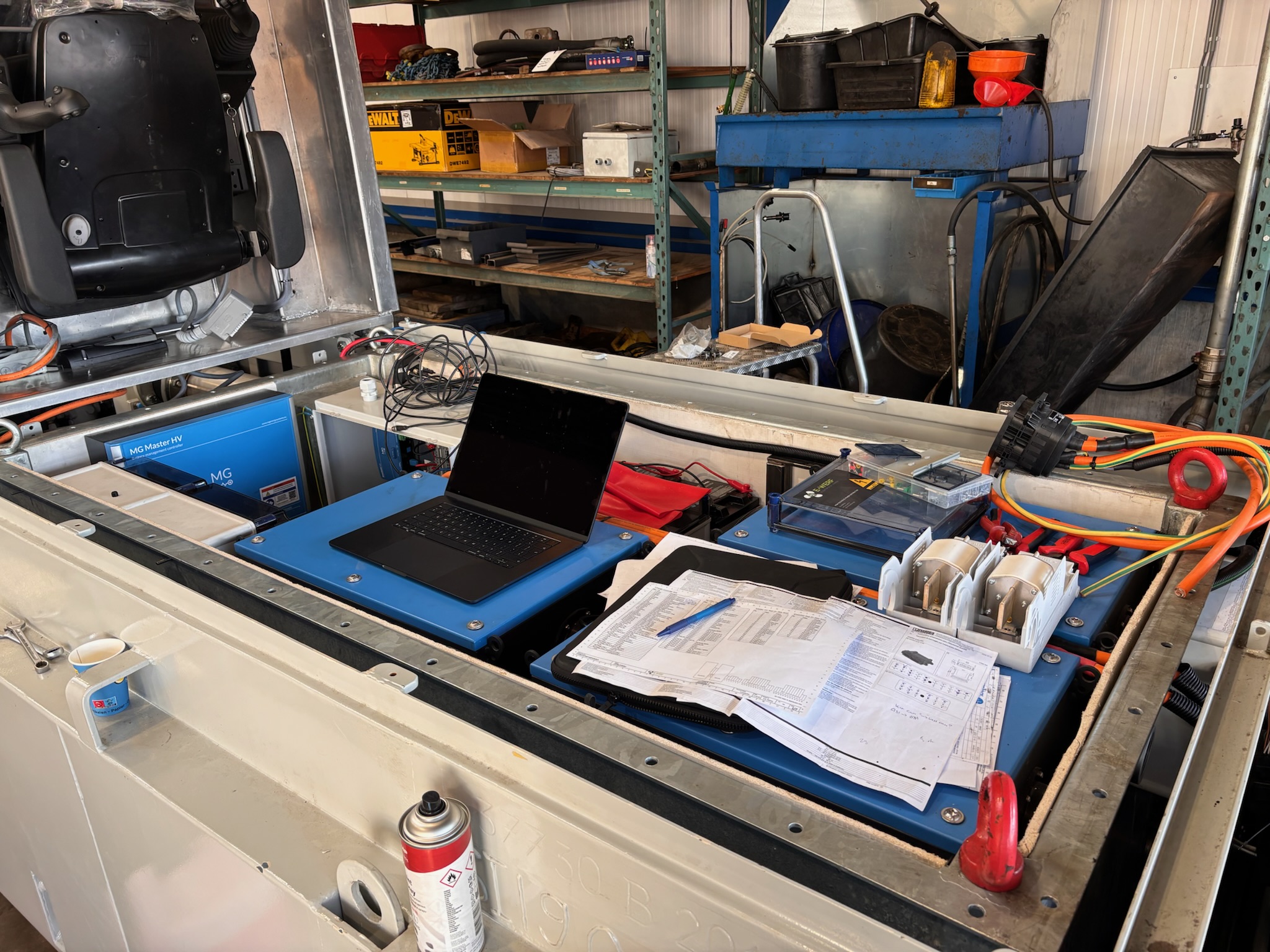
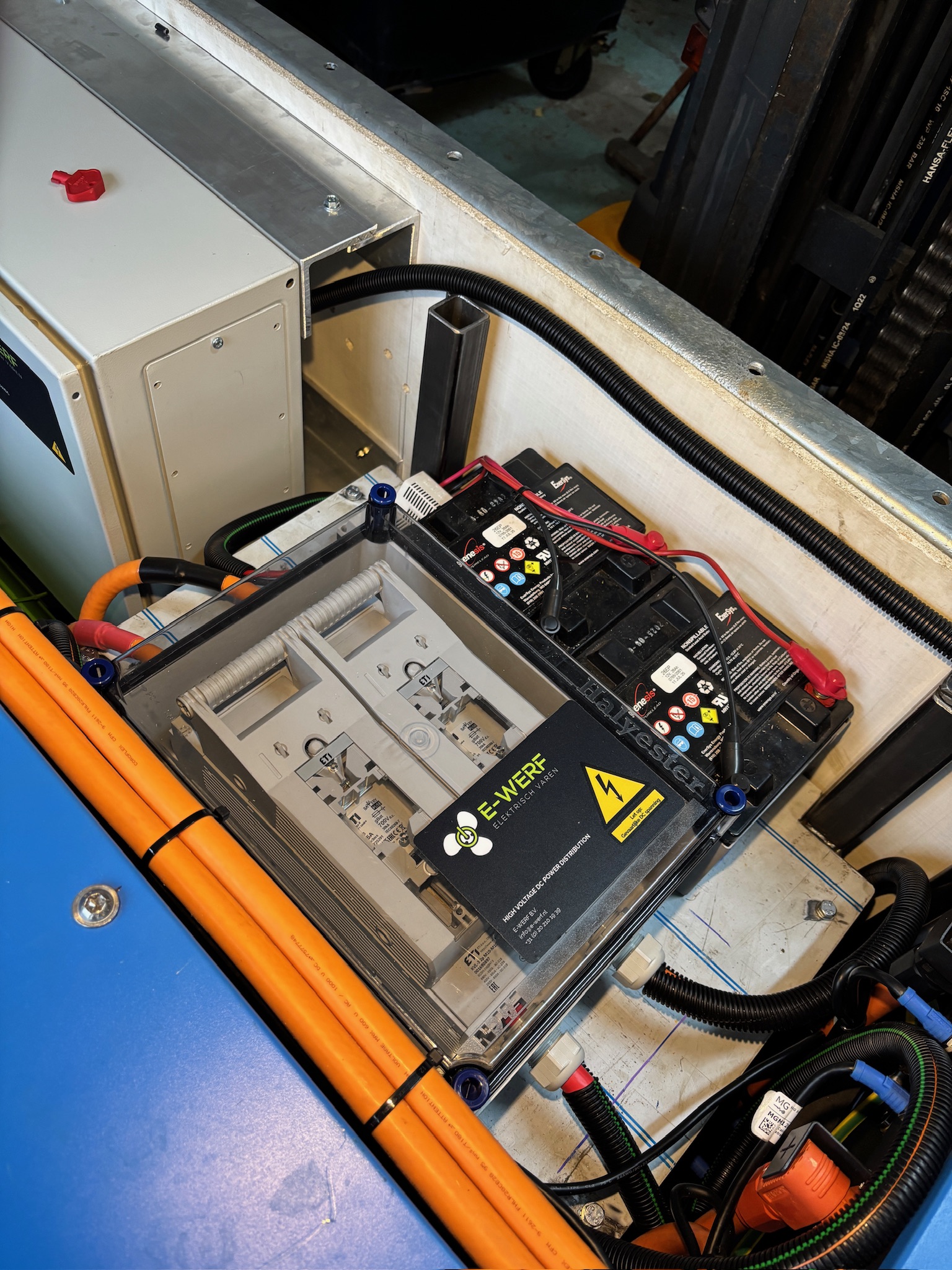
The battery pack consists of 11 MG Energy Systems 230 SLP modules. Each module has a nominal voltage of 51.2 V. When connected in series, this results in a system voltage of approximately 560 VDC. A higher system voltage results in lower currents for the same power output, which is beneficial in terms of cable diameters, losses and thermal behaviour.
The batteries are equipped with CAN communication, enabling them to be integrated with the other systems on board. This makes it possible to continuously monitor the charge status, temperature and other parameters and to utilise this data within the energy management system. In addition, the modules are fitted with an integrated fire suppression system, which is an important safety feature in maritime applications.
A key aspect of this project is the chosen charging strategy. Instead of relying solely on shore power, the decision was made to charge via an external battery barge. During operations, the dredger is recharged from this battery barge via a CSS2 DC/DC coupler. This allows the vessel to remain operational without interruptions for charging. The battery vessel itself is charged at the quay overnight. This provides a separate power supply, meaning the dredger is not dependent on direct shore power connections on site. This approach makes the system flexible for use at various project sites across the Netherlands, where charging infrastructure is not always available.
The use of a DC/DC charging solution enables energy to be transferred in a controlled manner between systems with different voltage levels. This increases efficiency and prevents unwanted peak currents. It also makes the system modular, making future expansion or modification easier.
The MG Energy Monitor has been selected for monitoring purposes. This provides a comprehensive overview of the entire battery pack, both locally and remotely. Parameters such as voltage, current, temperature and state of charge are continuously recorded. This gives operators and technicians insight into usage and enables them to plan maintenance and deployment more effectively.
This project has placed particular emphasis on combining technology with operational flexibility. A dredger often operates for long hours with predictable energy consumption. By tailoring the system to these requirements and utilising an external charging concept, a viable solution is created that does not rely on fixed charging points.
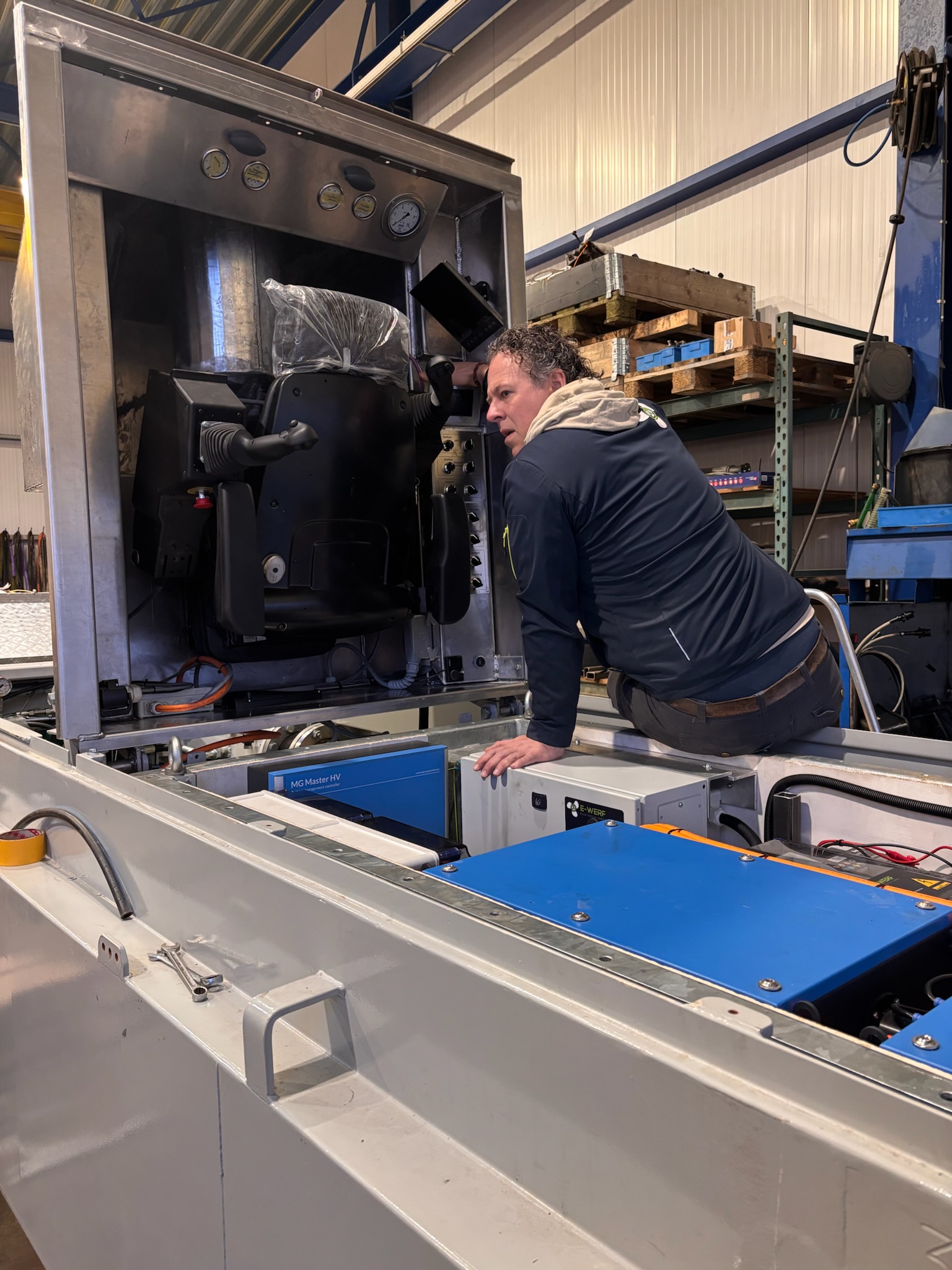
Integrating the battery pack during the construction phase also ensures a compact and well-organised installation. Cabling, security and cooling are incorporated into the design from the outset. This enhances the system’s reliability and simplifies long-term maintenance.
This configuration has resulted in an electric work platform suitable for heavy-duty, continuous use in the hydraulic engineering sector. The combination of a high-voltage battery pack, a powerful electric motor and a flexible charging strategy forms the basis for further electrification within this sector.