
Hey Captain | Sightseeing boats
Boat name
Make and type
Dimensions LxWxH
Year of construction
Type of project
6 km/h
8 km/h
9 km/h
13 km/h
Electric motor:
Battery pack
Capacity
Communication
Charger / inverter:
PDU:
Details:
Design choice:
Sightseeing boats for Copenhagen
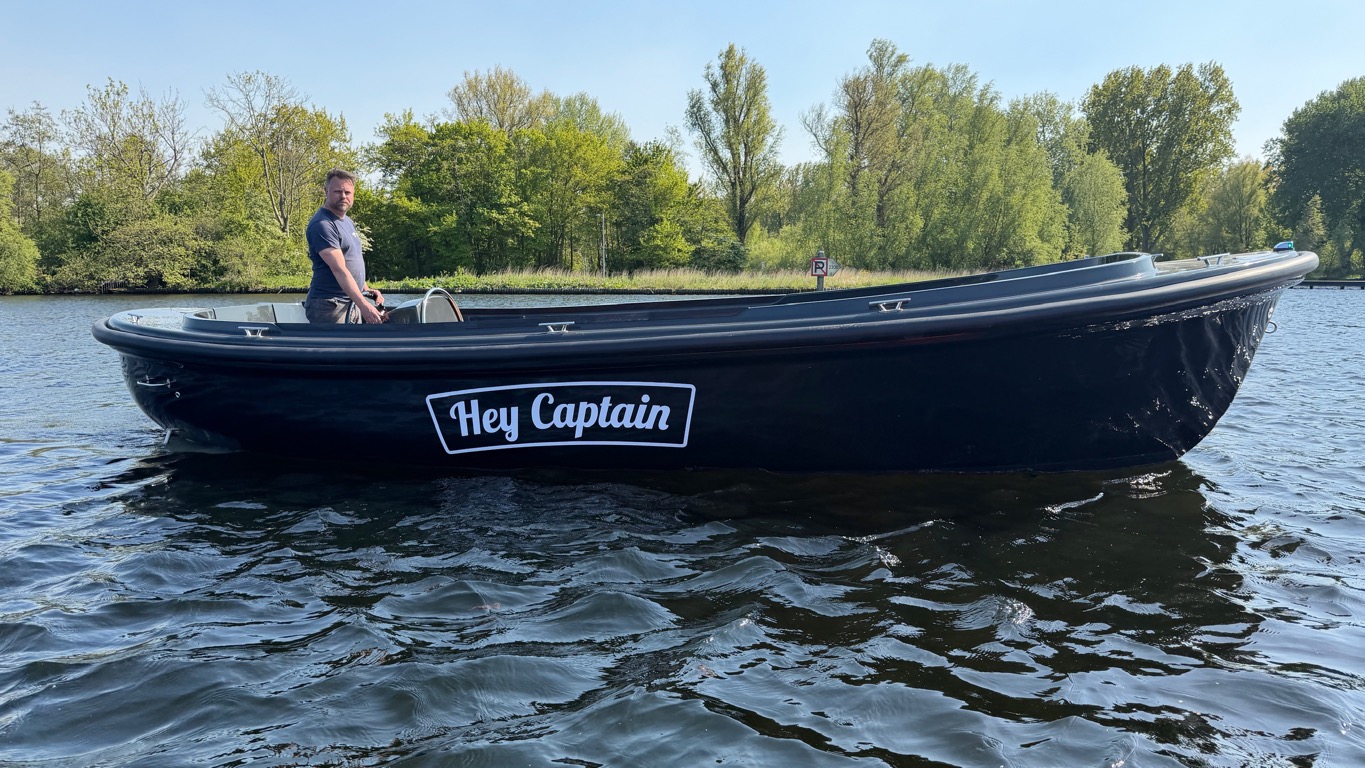
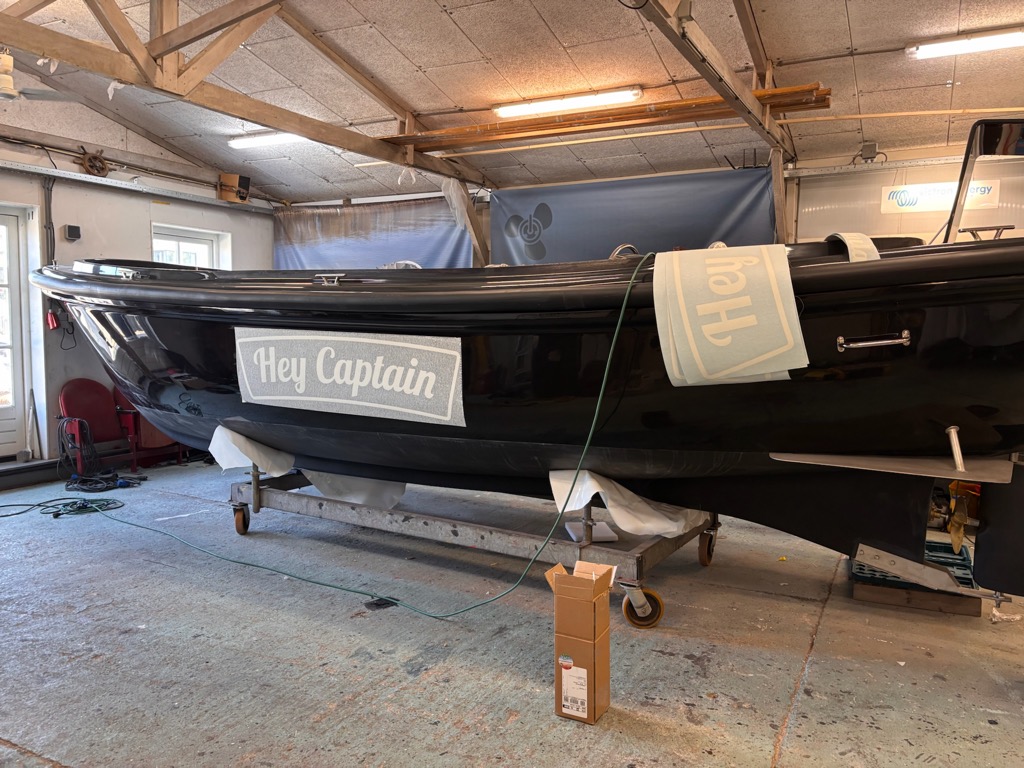
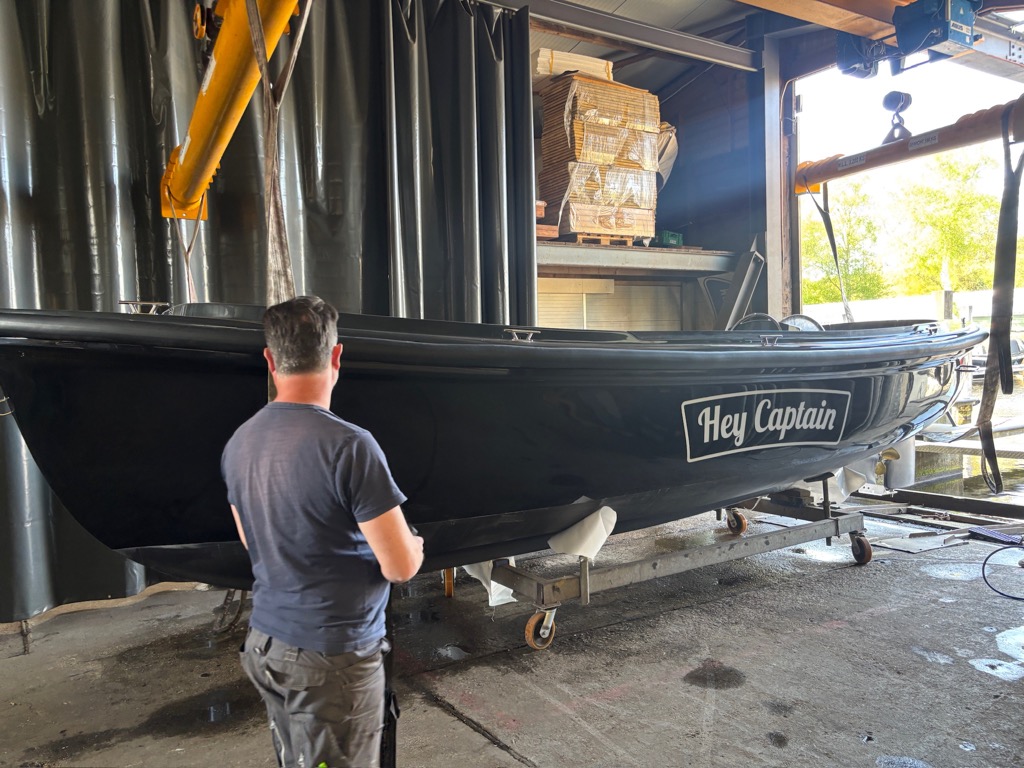
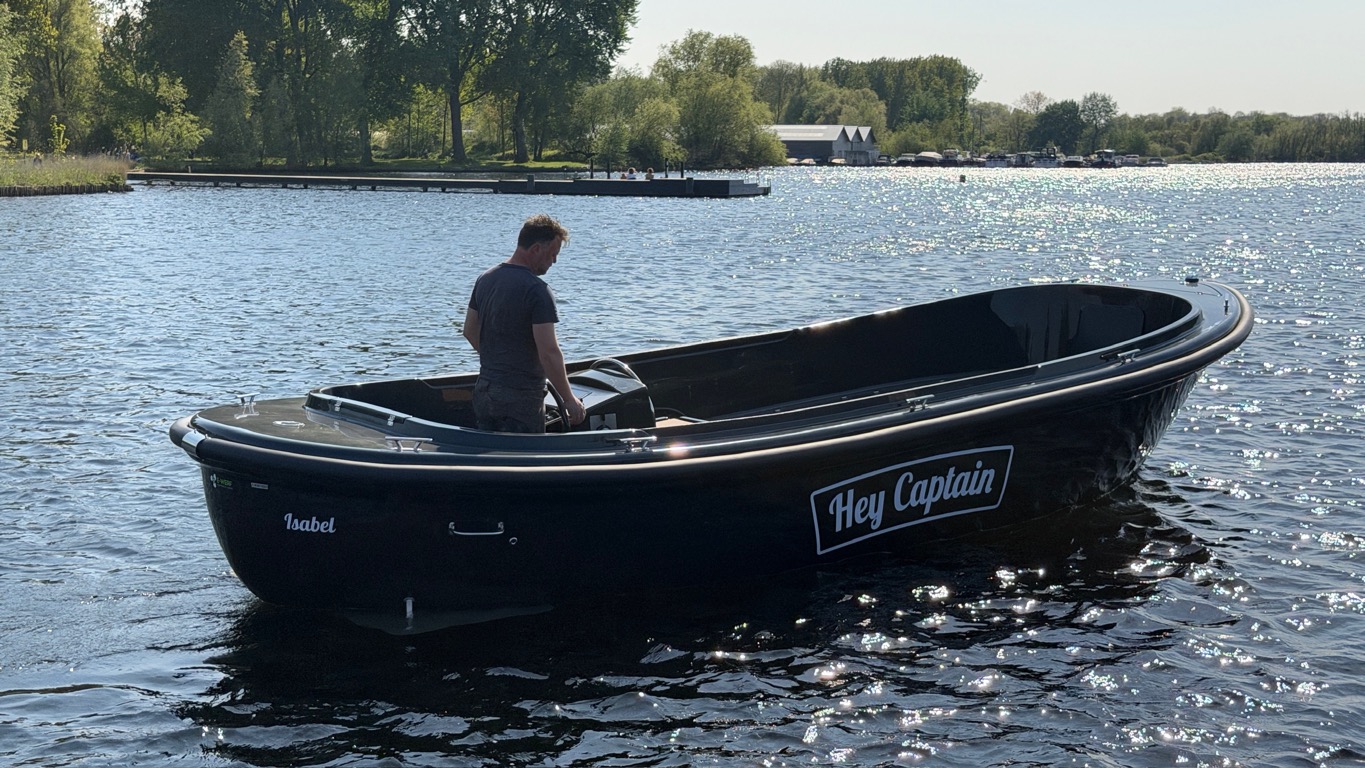
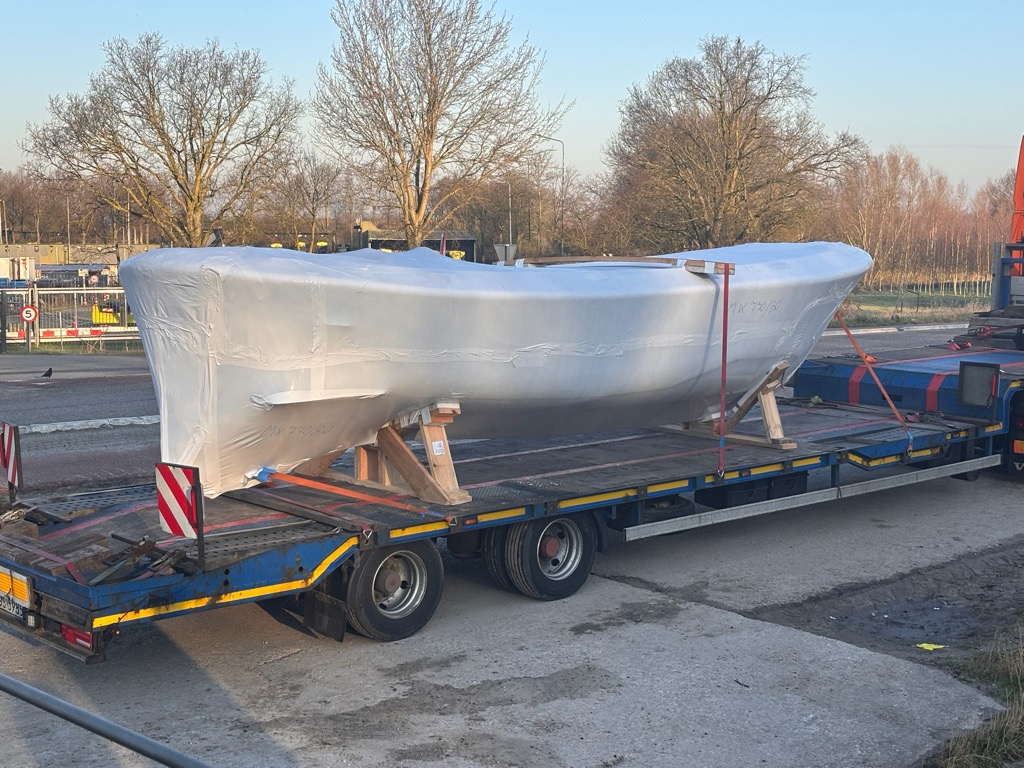
The tour boats of Hey Captain have been developed for daily use as electric sightseeing boats in Copenhagen. For this project, E-WERF carried out the technical outfitting of newly built A-Sloepen from Poland. Following outfitting, the boats were prepared for transport to Denmark. The system is built around a reliable electric propulsion system, a clear energy management system and full monitoring via Victron Boat View. The choice of electric propulsion is well suited to the operational profile of a sightseeing boat. The vessel operates extensively in urban areas, at low speeds, with short manoeuvres and frequent interaction with passengers and the surroundings. Quiet operation, emission-free propulsion and predictable system behaviour are therefore key considerations.
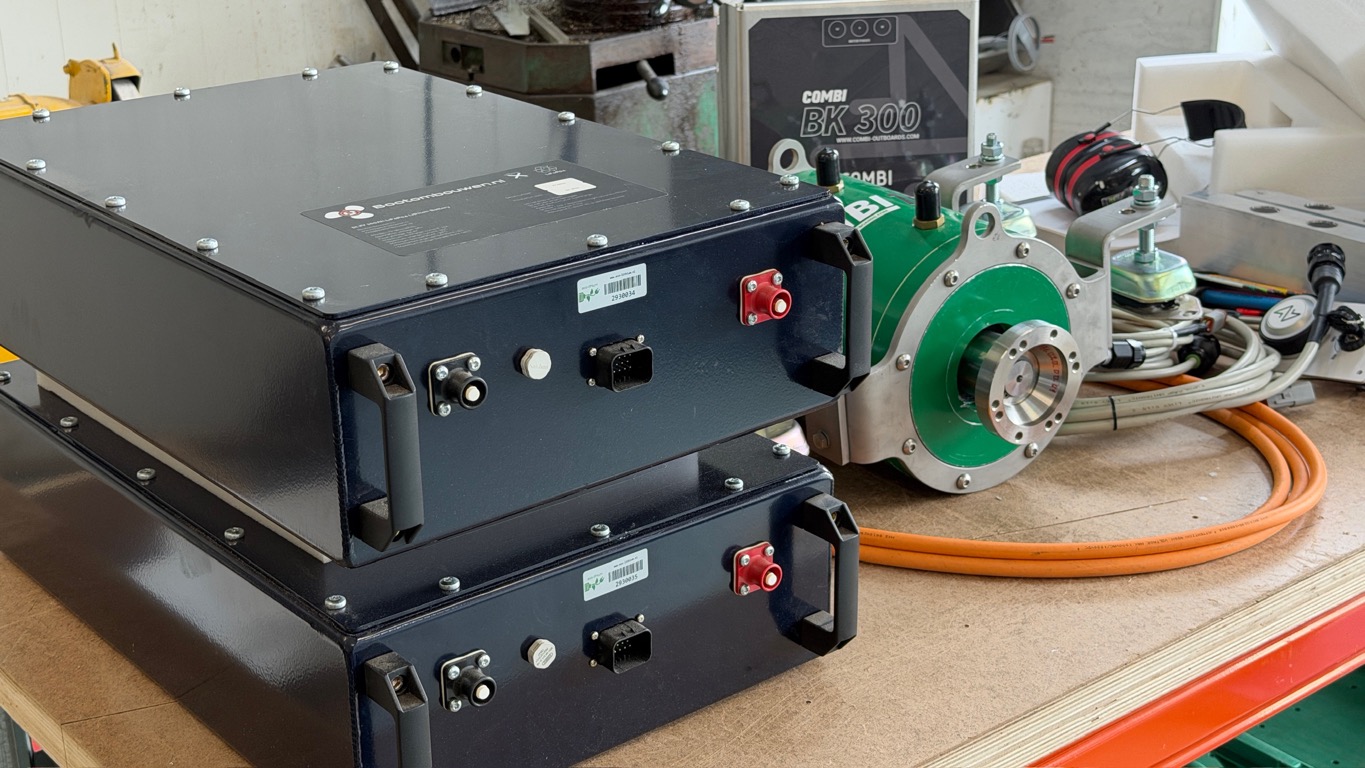
The propulsion system consists of a Combi EPS 10 kW liquid-cooled system with tank cooling. This configuration is suitable for a sightseeing boat that is used regularly and for long periods. The liquid-cooled electric motor delivers smooth and direct drive performance, without the vibrations and noise of a combustion engine. The air cooling makes the cooling system robust and suitable for professional use. The Combi EPS 10 kW electric motor is integrated as part of a complete electric propulsion system. In doing so, consideration was given not only to power, but also to ease of installation, serviceability and reproducibility. The drive system supports quiet cruising and contributes to energy-efficient sailing in the centre of Copenhagen.
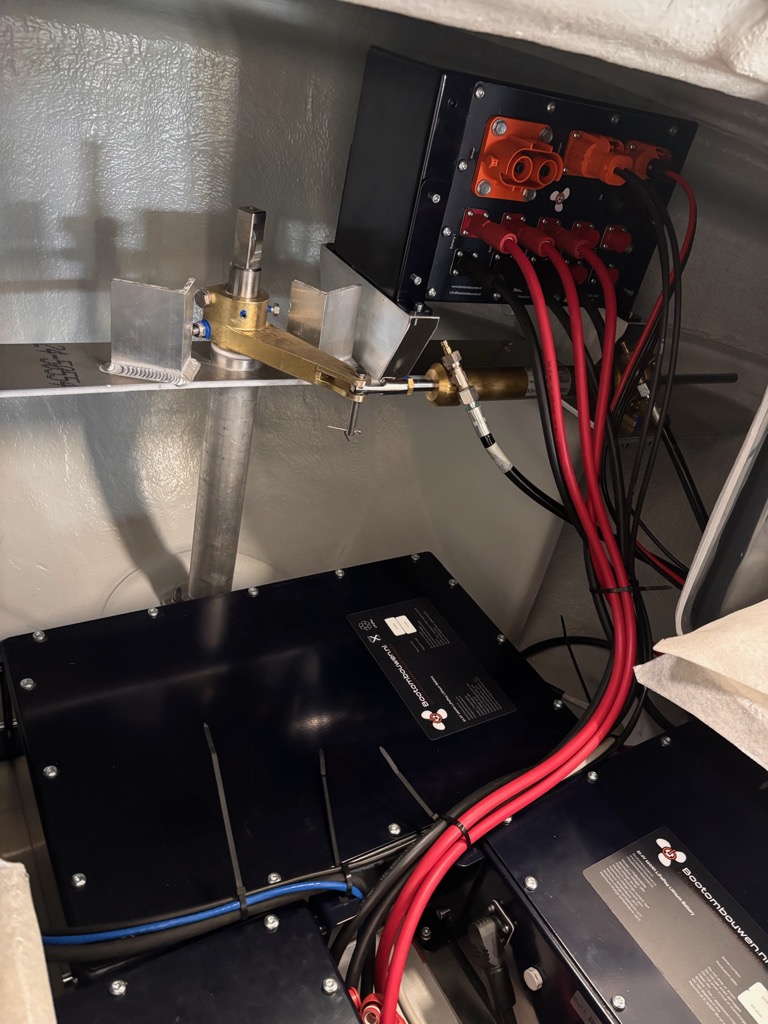
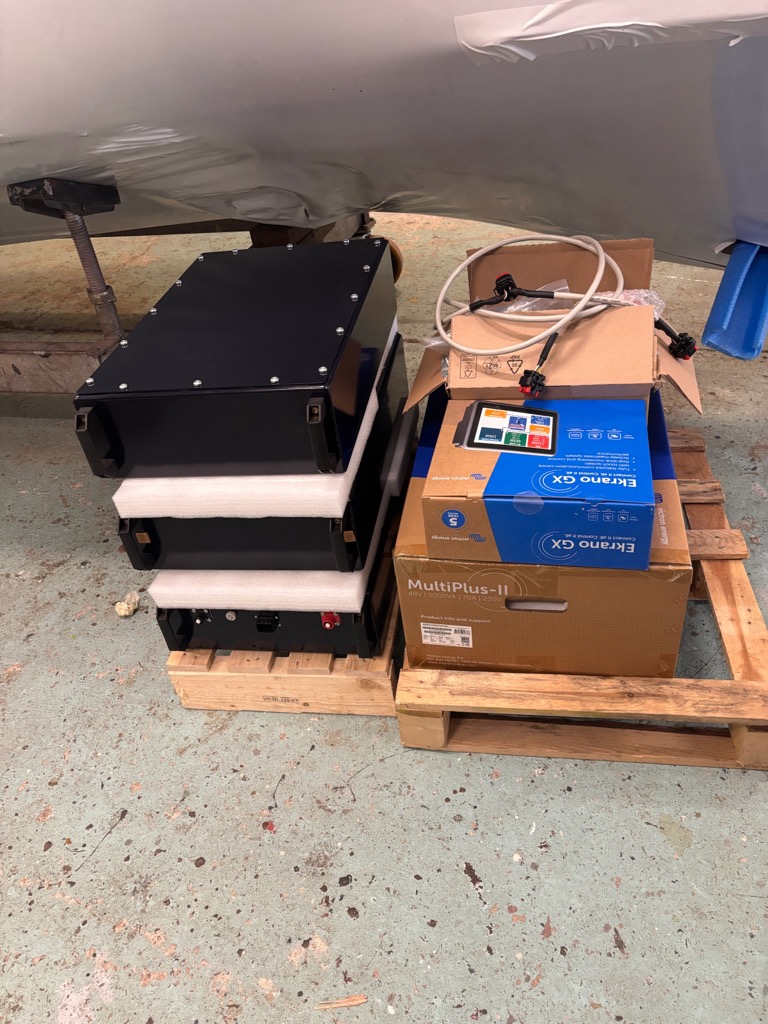
The battery system consists of three 48|100 LiFePO4 CAN batteries with integrated heating. These batteries supply power to the electric drive and are connected to the monitoring system via CAN. The battery heating is important in cold weather. When the temperature drops below 7 degrees Celsius, the batteries automatically heat up to a limited extent. This allows them to be charged safely even at lower temperatures and better protects their service life. This is important for a cruise company, as the vessel must be reliably available in changing weather conditions. The combination of LiFePO4 technology, CAN communication and temperature support provides a stable foundation within the electrical system.
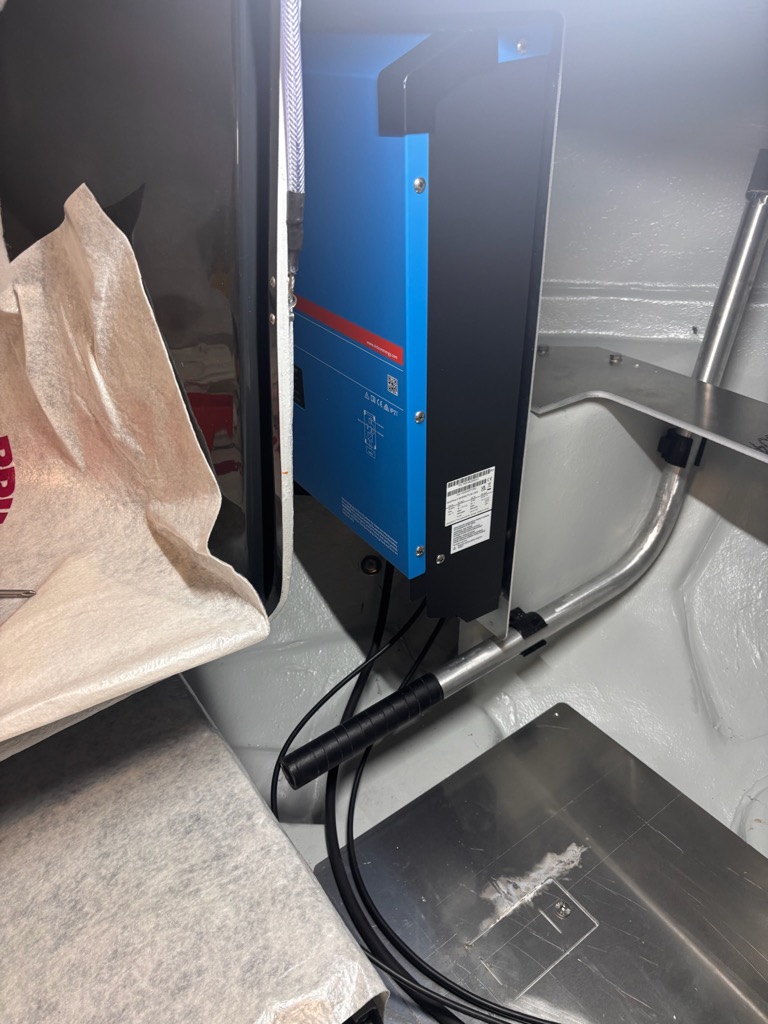

A Victron Multiplus II 48|5000 has been selected for charging and on-board power supply, supplemented by a Victron 20A DC/DC converter. Together, these components form a clear and manageable on-board power infrastructure. The Multiplus II handles the connection to shore power and the charging of the battery bank. The DC/DC converter supports the low-voltage consumers on board. The installation has been designed as a coherent system, in which the propulsion, batteries, charging, monitoring and distribution are all interconnected. By using high-quality components from manufacturers including Victron, Combi EPS and Sailconnect, a reliable system has been created. The emphasis is on safe operation, simple control and a technical design that is easy to maintain.
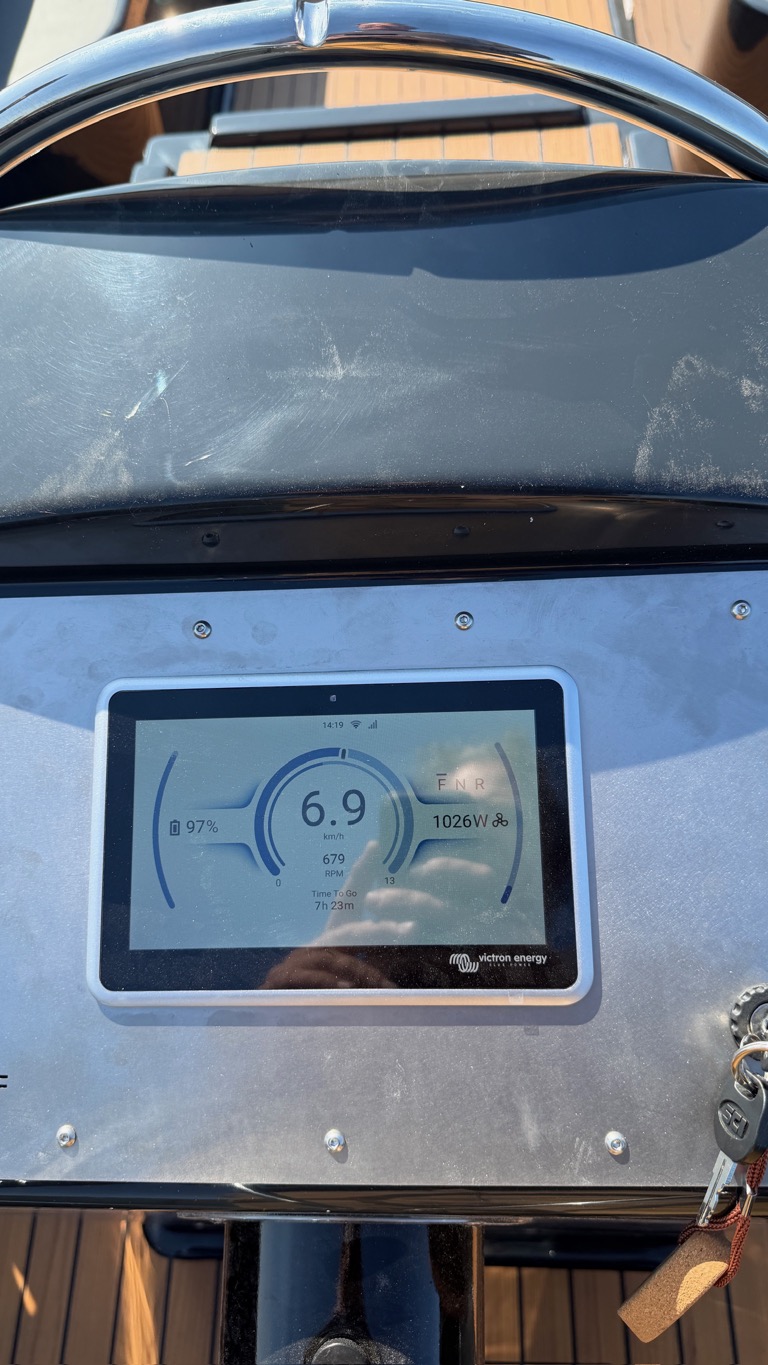
A key part of this project is the integration of engine and battery data into Victron Ekrano with Boat View. As both the engine and battery data are read via CAN, Victron Boat View functions fully. The current system status is visible locally and can also be accessed remotely. This makes it possible to provide active support from the Netherlands whenever questions arise in Copenhagen. Where necessary, systems can be configured or updated over the air. For a fleet with multiple tour boats, this is a practical advantage. Faults can be assessed more quickly, settings are easier to manage, and technical support becomes less dependent on physical presence on board.

The installation has been deliberately designed as a scalable solution for the Hey Captain fleet. In addition to these boats, the other twelve sloops can also be converted in the same way. The Sailconnect 20 PDU has been used for this purpose, meaning that the electrical system is largely plug-and-play. E-WERF has also developed mounting plates that fit all the sloops. This allows final assembly to be carried out quickly and consistently, without E-WERF needing to be actively involved at every stage. This approach is well-suited to the mass electrification of sightseeing boats: technically repeatable, straightforward to assemble and reliable in use. The result is a quiet, emission-free and easily monitored sightseeing sloop for professional use in Copenhagen.
